
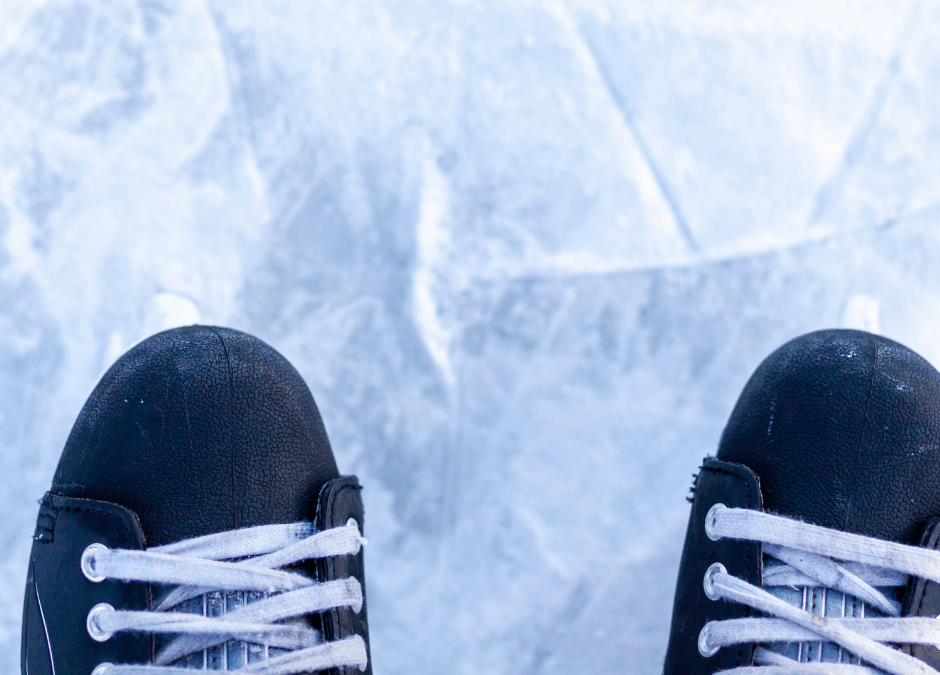
If you’re a hockey player or figure skater, lace bite can feel like a small problem that becomes a big distraction. The sharp, aching pain at the front of your ankle or foot can make every stride uncomfortable, and if left unattended, it can persist for weeks.
The good news? Lace bite is common, manageable, and highly preventable with the right strategies.
Below, we break down what lace bite really is, the most common causes, how to treat it effectively, and how to keep it from coming back so you can stay healthy and perform at your best.
What Is Lace Bite?
Lace bite—also known as skate bite—is irritation and inflammation of the tendons at the top of the foot or ankle. These tendons run underneath the tongue of the skate and can become compressed or irritated when skates don’t fit properly or when the tongue breaks down over time.
Athletes usually describe lace bite as:
-
Sharp or aching pain on the front of the ankle
-
Tenderness when pressing on the area
-
Swelling or stiffness
-
Pain that worsens with skating, tight lacing, or flexing forward
While lace bite typically doesn’t sideline athletes, it can significantly affect comfort, stride mechanics, and overall performance.
Common Causes of Lace Bite
Lace bite develops from pressure, friction, or improper skate support. The most common causes include:
1. Poorly Fitted Skates
Skates that are too tight, too loose, or don’t match your foot shape can create uneven pressure on the top of the foot.
2. A Broken-Down Skate Tongue
As the skate tongue softens or folds over time, it loses padding—leading to direct pressure on the tendons.
3. Laces Tied Too Tightly
Over-tightening—especially in the top eyelets—puts excess pressure on sensitive structures along the ankle.
4. New Skates Not Yet Broken In
New skate tongues are often stiff and can dig into the ankle until they mold to your foot.
5. Excess Forward Lean
Players with a deep skating stance or stiff ankles may naturally put more pressure on the tongue.
Over time, any combination of these factors can lead to irritation, inflammation, and painful lace bite symptoms.
How to Treat Lace Bite
Reducing irritation is the key to recovery. These strategies help calm inflammation and relieve pressure:
1. Rest & Ice
Take short breaks from skating if needed and ice the top of the foot for 10–15 minutes to reduce swelling.
2. NSAIDs (As Directed)
Over-the-counter pain relievers can help manage inflammation in the early stages.
3. Modify Your Lacing Technique
Skip an eyelet, loosen the top two eyelets, or try alternate lacing patterns to reduce direct pressure.
4. Add Padding or Gel Inserts
Use lace bite pads, gel sleeves, or foam inserts placed directly over the irritated tendon.
5. Check Your Skate Fit
Skates should provide support without pinching. A professional skate fitting can identify pressure points or structural issues.
6. Strengthening & Mobility Work
Improving ankle mobility and foot strength can reduce excessive forward pressure and support better mechanics.
How to Prevent Lace Bite
A few simple habits can go a long way in preventing lace bite and keeping your skates comfortable:
Break in New Skates Slowly
Start with shorter sessions to allow the tongue and liner to mold to your foot.
Reevaluate Your Lacing When You Feel Pressure
Early adjustments prevent irritation from turning into inflammation.
Maintain Your Skates
Dry skates thoroughly after each use to keep the tongue firm, supportive, and properly shaped.
Use Pads Proactively
If you’re prone to lace bite, wear protective pads even before discomfort starts—especially during high-volume training.
When to See a Professional
If pain is persistent, worsening, or affecting your stride mechanics, it’s best to consult a sports medicine professional or athletic trainer. They can assess skate fit, rule out other causes of pain, and help you manage symptoms so you can get back on the ice pain-free.