

Wrist Strengthening Exercises for Divers: Improve Flexibility and Prevent Injuries
Wrist injuries are relatively common in diving and can lead to missed training time, limited performance, and time away from competition. Because divers frequently place significant weight through their hands and wrists, particularly when performing handstands and...

Shin Splints: Symptoms, Causes, Treatment, and Prevention for Athlete
Shin splints are a common overuse injury that can affect athletes and active adults across a variety of sports. From runners and soccer players to gymnasts and dancers, repetitive impact and sudden increases in training intensity can put excessive stress on the lower...
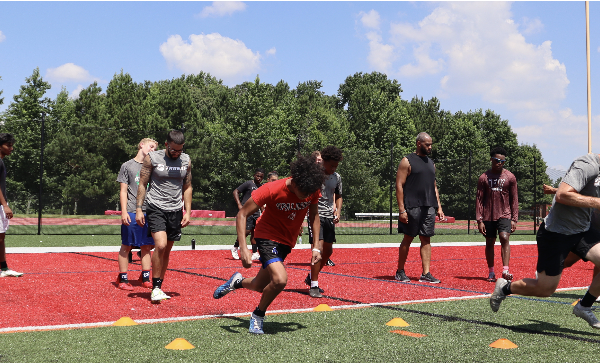
Why Acceleration Training Matters in Every Sport (And How USR Testing Helps Athletes Get Faster)
In sports, the first few steps can make all the difference. Whether an athlete is chasing down a ball, creating separation from a defender, closing a gap, or sprinting toward the finish line, the ability to accelerate quickly can determine who wins the play. That...

When Young Athletes are Running on Empty: Recognizing the Signs of Overtraining and Fatigue
The pressure to succeed in sports continues to reach new levels every year. Sports used to be an outlet for kids. A place to stay active and out of trouble, a place to learn how to handle winning and losing and develop a good work ethic. Coaches were typically parents...

How 5 Change of Direction Drills Transfer to Your Sport
The ability to change direction quickly can make a significant difference in athletic performance. Whether a hockey player is cutting around a defender, a baseball shortstop is reacting to a ground ball, or a soccer midfielder is creating space under pressure,...
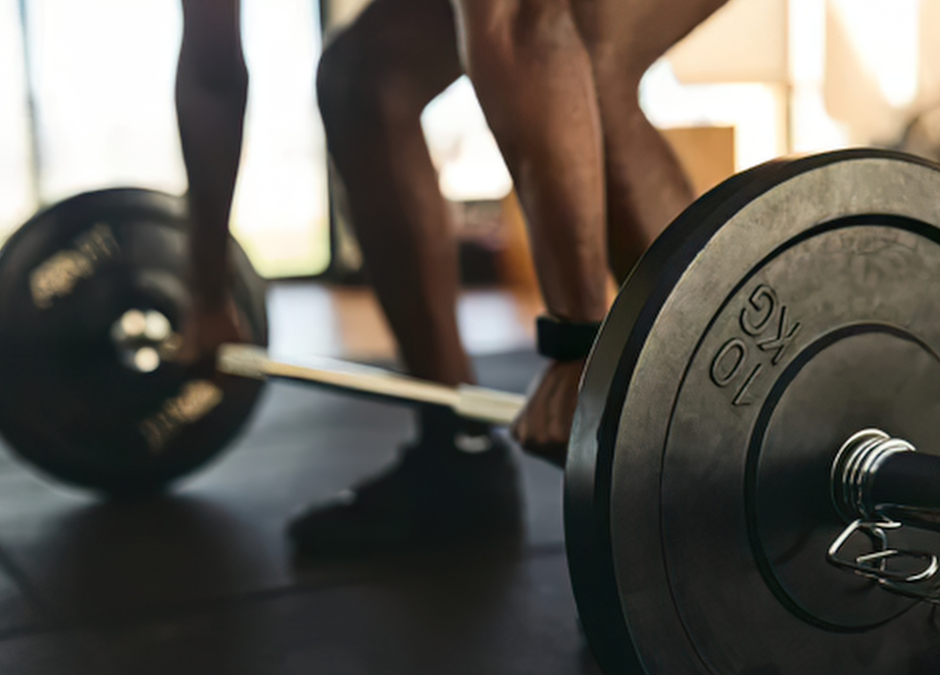
How Impact Training Builds Stronger Joints, Tendons, and Bones
Your Joints Aren’t Wearing Out. They’re Under-Trained. Why the right kind of impact can build stronger tendons, healthier bones, and more resilient joints, and why avoiding impact altogether may backfire. Somewhere along the way, many of us picked up the idea that...
How to Structure In-Season Training Around Games and Practices
One of the biggest challenges athletes face during their competitive season isn't figuring out whether they should train. It's figuring out when they should train. A week filled with practices, games, tournaments, travel, school, and other responsibilities can make a...
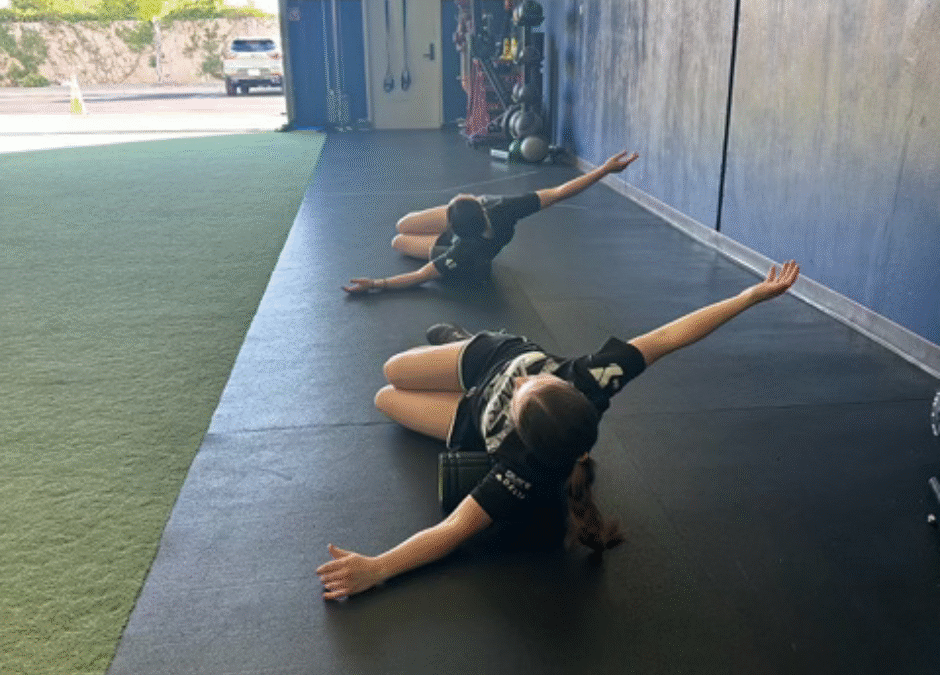
How Athletes Can Stay Fresh During a Long Season: Training, Recovery & Nutrition
The beginning of a sports season is exciting. Athletes are energized. Competition is fresh. Training feels productive. Then the schedule starts piling up. Practices become repetitive. Games become more frequent. Travel adds stress. School continues. Tournament...
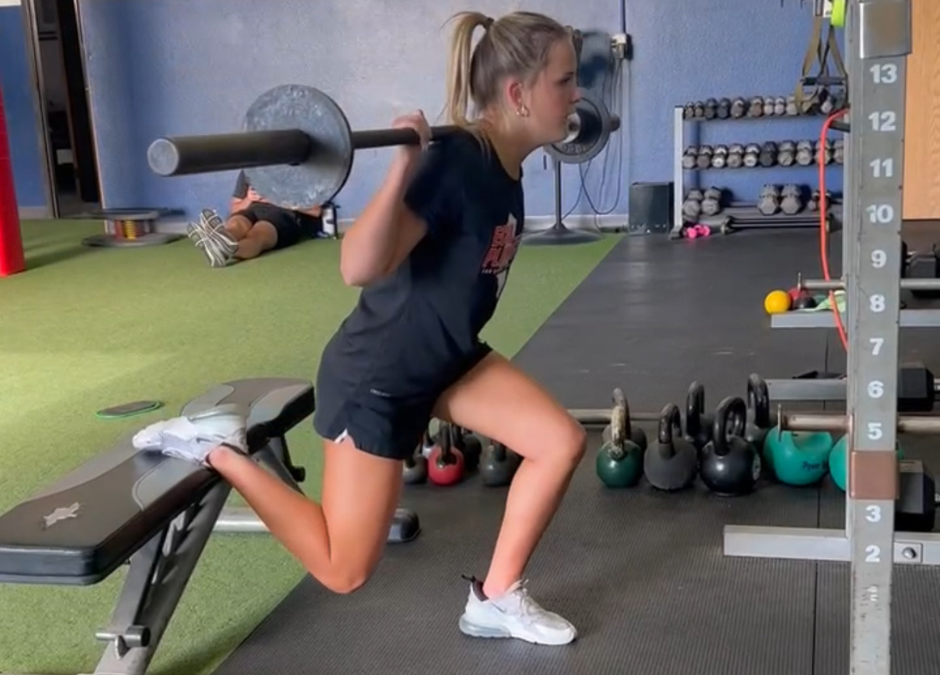
In-Season Strength Training: How Often Should Athletes Lift?
Should athletes still lift weights during their competitive season? Absolutely. The better question is: How often should athletes lift, and how should strength training change once competition begins? An athlete's training needs during the season are different from...
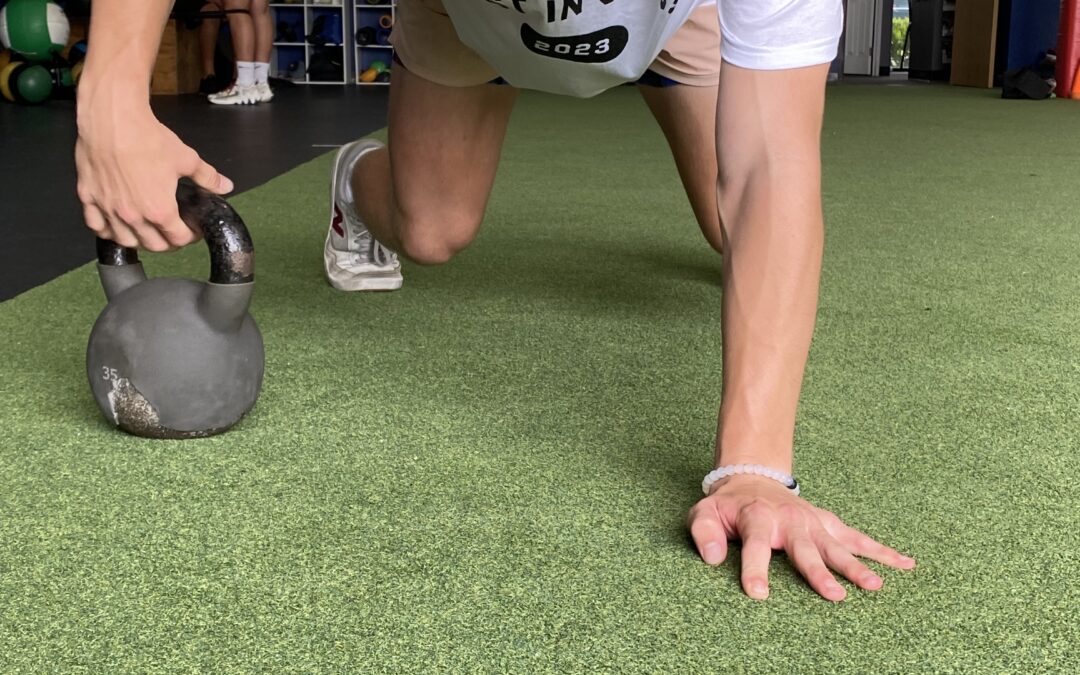
In-Season Training for Athletes: How to Stay Strong, Healthy & Game-Ready
When competition season begins, athletes often make one of two mistakes: they stop strength training altogether, or they continue training exactly the way they did during the off-season. Neither approach is ideal. Once practices, games, tournaments, travel, school,...
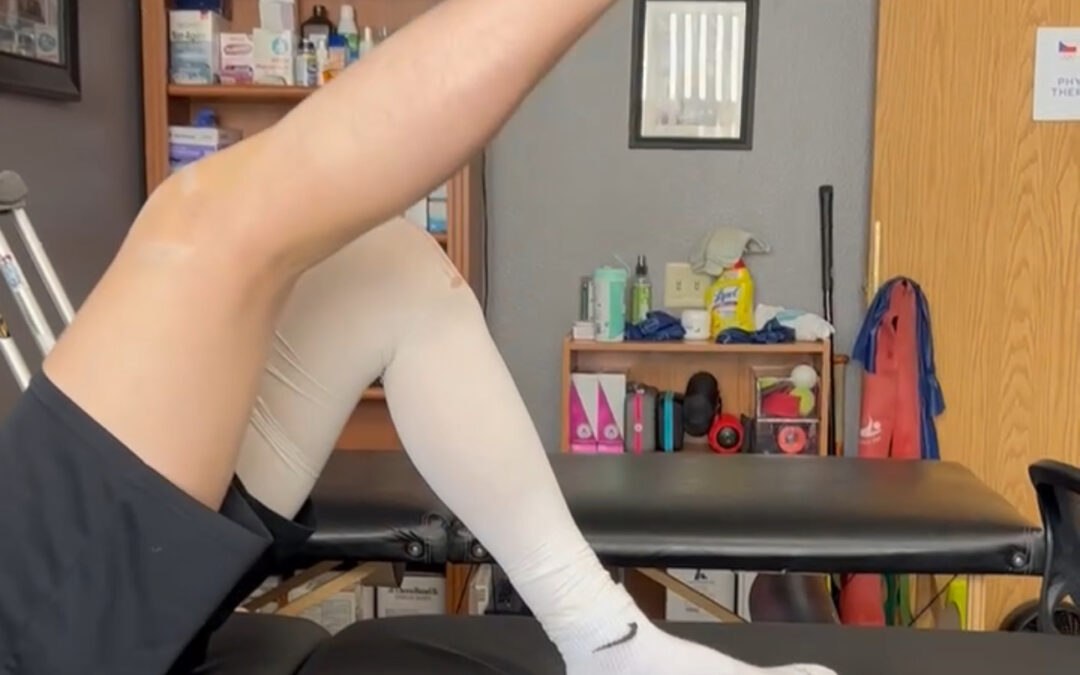
What Does an Athletic Trainer Do? A Complete Guide to Athletic Training
If you think athletic trainers are mainly the people on the sideline who tape ankles, hand out water, and run onto the field when someone gets hurt, you're only seeing a small part of the job. So, what does an athletic trainer actually do? Athletic trainers are highly...
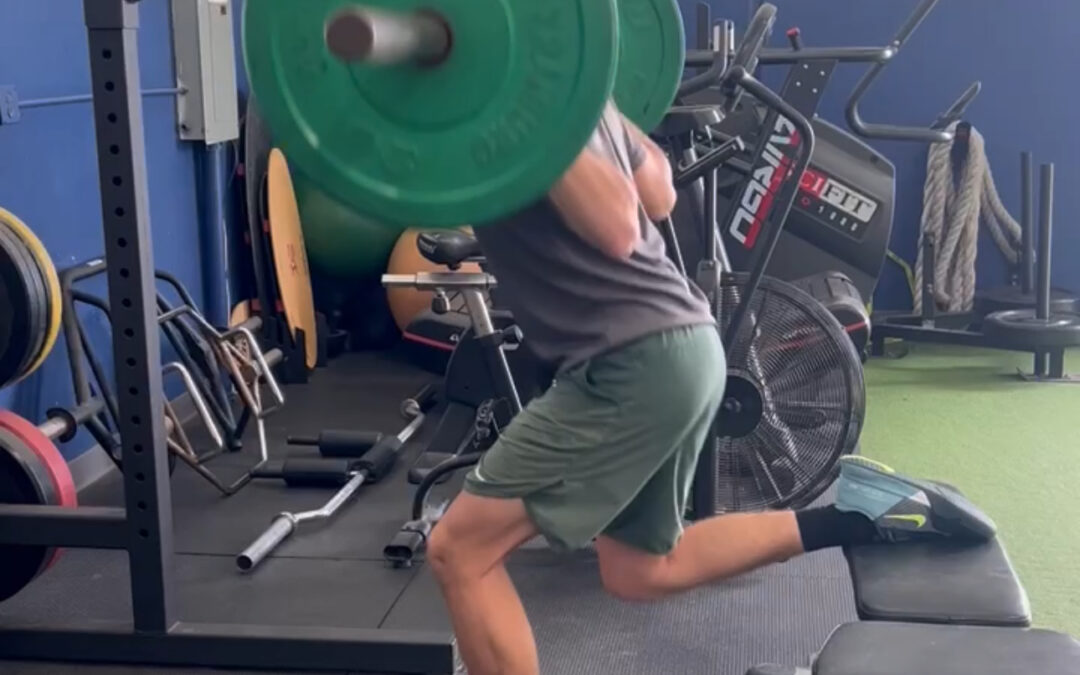
Does Lifting Make You Slow? The Truth About Strength Training and Speed
Many athletes worry that lifting weights will make them slower. It's one of the most common myths in sports performance—but it's simply not true. When done correctly, strength training can actually make you faster, more explosive, and more powerful. Whether you're a...