
The beginning of a sports season is exciting.
Athletes are energized. Competition is fresh. Training feels productive.
Then the schedule starts piling up.
Practices become repetitive. Games become more frequent. Travel adds stress. School continues. Tournament weekends take over the calendar. And suddenly an athlete who felt great at the beginning of the season is struggling to feel fresh.
Staying fresh during a long competitive season isn’t about doing more. It’s about managing the demands placed on your body.
Training, nutrition, sleep, hydration, and recovery all play a role in helping athletes maintain performance from the first competition to the last.
What Does It Mean to “Stay Fresh”?
Being fresh doesn’t mean an athlete will never feel tired.
Competition is demanding.
Instead, staying fresh means an athlete can consistently recover enough to:
- Practice effectively
- Compete at a high level
- Maintain strength and power
- Make good decisions
- Move efficiently
- Recover between competitions
- Avoid accumulating unnecessary fatigue
The goal is not to eliminate fatigue.
The goal is to manage it.
1. Fuel Your Body for the Work You’re Asking It to Do
Athletes need energy to train, compete, recover, grow, and perform.
Under-fueling can make it much harder to recover from practices and games.
A balanced approach should include appropriate amounts of:
- Carbohydrates
- Protein
- Healthy fats
- Fruits and vegetables
- Fluids
- Electrolytes when appropriate
Carbohydrates are particularly important around demanding training and competition because they provide readily available energy for high-intensity activity.
Protein supports muscle repair and recovery.
Fats contribute to overall nutrition and provide another source of energy.
The goal isn’t to follow a trendy diet.
The goal is to provide your body with enough fuel to meet the demands of your sport.
2. Don’t Wait Until You’re Thirsty to Hydrate
Hydration affects physical and cognitive performance.
Athletes lose fluid through sweat during practices and competitions, and fluid needs can vary significantly based on:
- Temperature
- Humidity
- Exercise duration
- Exercise intensity
- Individual sweat rate
- Equipment
- Sport
Water should be consumed consistently throughout the day rather than relying on large amounts immediately before competition.
For longer or particularly sweaty sessions, electrolytes may also be useful.
The important thing is to establish a hydration routine before the season gets demanding.
3. Make Sleep a Training Priority
Sleep isn’t time away from training.
It is part of training.
Athletes need adequate sleep to support physical recovery, concentration, reaction time, learning, mood, and overall performance.
For many teenage athletes, aiming for approximately 8–10 hours of sleep per night is a reasonable target.
That can be difficult with school, homework, practices, games, and travel.
But that difficulty is exactly why sleep needs to be treated as a priority rather than whatever time is left over at the end of the day.
Helpful habits include:
- Keeping a consistent sleep schedule
- Limiting screens before bed
- Creating a cool, dark sleeping environment
- Avoiding unnecessary late-night stimulation
- Building a predictable wind-down routine
4. Keep Strength Training in the Program
When athletes become busy, strength training is often one of the first things they eliminate.
That can be a mistake.
In-season strength training can help athletes maintain strength, power, stability, and movement quality.
The key is adjusting the dose.
An athlete doesn’t necessarily need long, exhausting lifting sessions during a heavy competition period.
Instead, shorter, focused sessions can maintain important physical qualities while minimizing unnecessary fatigue.
For many athletes, two well-designed strength sessions per week can be an effective starting point.
5. Use Recovery Days Intentionally
A recovery day doesn’t have to mean lying on the couch all day.
Depending on the athlete and their current workload, recovery may include:
- Walking
- Light cycling
- Mobility work
- Stretching
- Easy movement
- Recreational activity
- Complete rest
The right choice depends on how the athlete is feeling and what their upcoming schedule looks like.
The mistake is turning every recovery day into another hard workout.
6. Recover After Practices and Games
What an athlete does immediately after competition can influence how prepared they feel for the next session.
Start with the basics:
Rehydrate
Replace fluids lost during activity.
Refuel
A meal or snack containing carbohydrates and protein can support recovery.
Cool Down
Easy movement after intense activity can help an athlete transition out of competition.
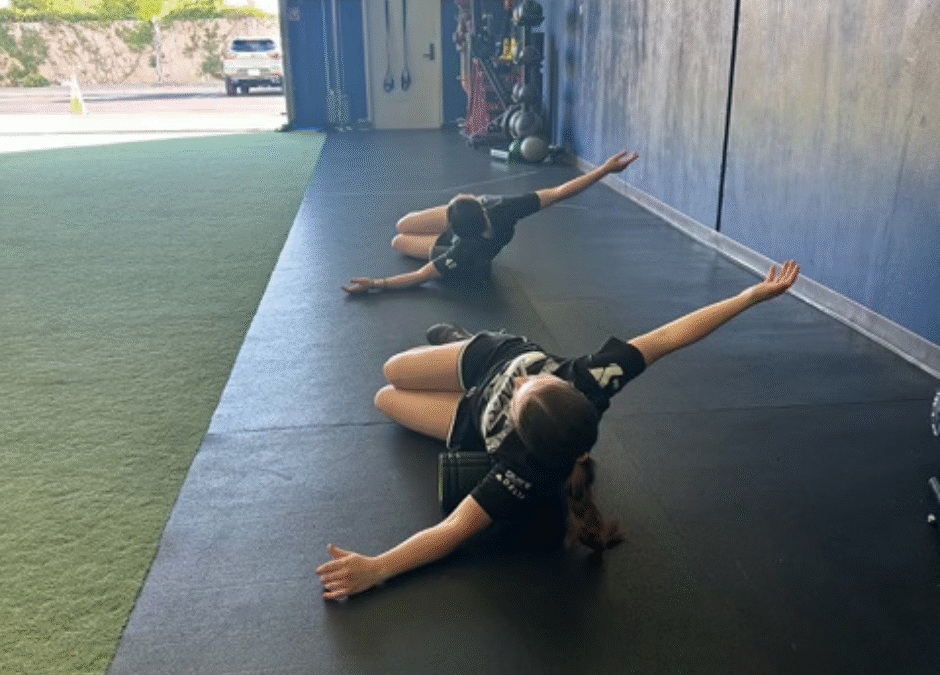
Address Tight or Stiff Areas
Light mobility work may help an athlete feel better after training.
The recovery routine doesn’t need to be complicated.
Consistency matters more than having the most elaborate recovery protocol.
7. Don’t Ignore Persistent Pain
Normal training soreness and persistent pain aren’t the same thing.
An athlete should not simply “push through” pain that keeps returning, changes movement, or continues to worsen.
Pay attention to:
- Pain that repeatedly returns
- Swelling
- Significant changes in movement
- Decreased performance
- Persistent soreness
- Pain that affects practice or competition
When something isn’t improving, athletes should communicate with their coach, athletic trainer, sports medicine professional, or other qualified healthcare provider.
Early attention can prevent a small problem from becoming a major interruption.
8. Adjust Training When the Schedule Gets Heavy
Some weeks are simply harder than others.
A normal week might include:
- Two practices
- One or two games
- Two strength sessions
A tournament week could look completely different.
Trying to maintain the exact same training volume regardless of the competition schedule is rarely the smartest approach.
Training should adapt.
When competition volume increases, strength-training volume may need to decrease.
When competition volume decreases, athletes may have more room to train.
The schedule should drive the training plan.
9. Pay Attention to Changes in Performance
Athletes don’t always recognize fatigue by saying, “I’m fatigued.”
Sometimes it shows up as:
- Slower sprint times
- Decreased jump height
- Poorer coordination
- Lack of motivation
- Irritability
- Reduced concentration
- Persistent soreness
- Poor sleep
- Decreased strength
- Feeling unusually heavy during movement
One bad practice doesn’t necessarily mean anything.
But patterns matter.
Coaches and athletes should monitor performance and recovery throughout the season rather than waiting until an athlete is completely burned out.
The Long-Season Mindset
A successful season isn’t determined by how hard an athlete can train in September.
It’s determined by whether they can continue performing when the season reaches its most important moments.
That requires patience.
Train hard when you need to. Recover when you need to. Fuel your body. Sleep enough. And adjust when the workload changes.
The strongest athlete isn’t necessarily the one doing the most.
It’s the one who can consistently show up, recover, and perform.
The Bottom Line
Staying fresh during a competitive season requires more than simply reducing workouts.
Athletes need a complete recovery strategy that includes:
- Smart in-season strength training
- Adequate nutrition
- Consistent hydration
- Quality sleep
- Intentional recovery
- Appropriate workload management
- Attention to pain and fatigue
When those pieces work together, athletes have a better opportunity to stay healthy, strong, and ready to compete throughout the entire season.
At Compete Sports Performance, our coaches help athletes develop training strategies that account for the demands of their sport and competition schedule—so training supports performance instead of creating unnecessary fatigue.