
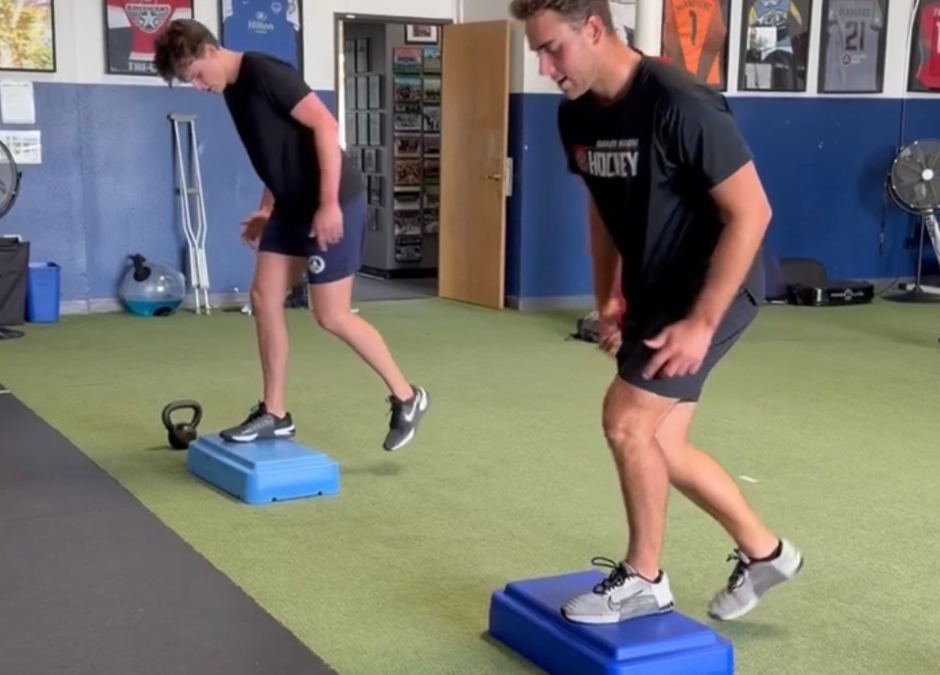
There is no shortage of articles, blogs, posts, and reels telling you what you should be doing in the off-season. But as you prepare for the upcoming season, is there anything you should avoid doing? Here are three things you can take off your to-do list as you gear up for training camp.
Don’t Fall for Training Gimmicks
There’s a well-held belief that if athletic trainers and strength coaches posted what actually worked, it would be a pretty boring series of videos showing athletes doing the same basic movements over and over again because that’s what works.
While complex—and sometimes dangerous—new exercises are great for generating engagement, it’s the simple, tried-and-true drills performed consistently that drive real progress. Yes, you can incorporate a few new exercises to keep things interesting, but the bulk of your off-season program shouldn’t be built around clickbait.
Don’t Overtrain
More is not always better.
It can be tempting to look at the calendar and try to cram as much as possible into those two or three off-season months, thinking that’s what will make you a better player. In reality, overtraining is a surefire way to increase your risk of injury and burnout.
Follow a well-designed off-season program that includes rest and active recovery days, and stick to it. Quality over quantity will produce results.
Don’t Ignore the Little Things
Small habits add up and have a big impact.
Develop good habits, and they’ll take your training to the next level. Stack bad habits, and they can significantly hinder your progress. Get on a consistent sleep schedule, stay hydrated, add electrolytes when needed, be intentional about your nutrition, don’t neglect mobility work, and find an activity you enjoy that doesn’t involve your sport to help prevent burnout.
Get these “little” things squared away, and watch how they elevate everything else in your routine.
Conclusion: Keep Your Off-Season Simple
A successful off-season isn’t about doing more—it’s about doing the right things consistently. Avoid the gimmicks, respect recovery, and take care of the small details. When training camp arrives, those simple choices can make all the difference.