
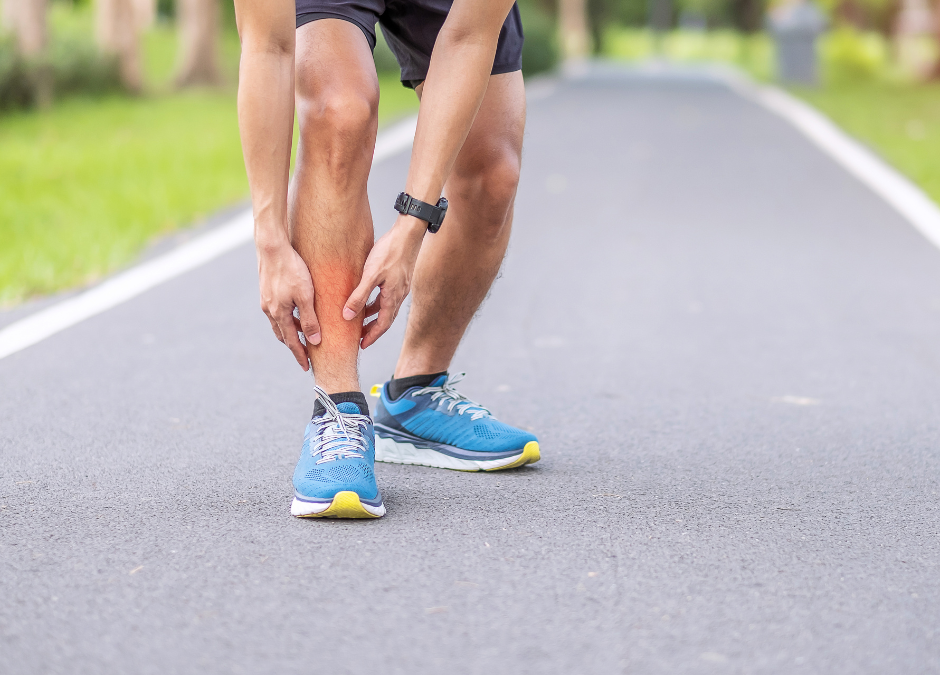
Shin splints are a common overuse injury that can affect athletes and active adults across a variety of sports. From runners and soccer players to gymnasts and dancers, repetitive impact and sudden increases in training intensity can put excessive stress on the lower legs and lead to pain along the shin bone.
Medically known as medial tibial stress syndrome (MTSS), shin splints typically cause aching, soreness, or tenderness along the inner edge of the tibia (shin bone). Symptoms may start as mild discomfort during or after exercise but can become more persistent if the underlying issue is not addressed.
Although shin splints are common, they shouldn’t be ignored. Continuing to train through pain can increase stress on the tibia and may contribute to a more serious bone stress injury, including a stress fracture.
Understanding what causes shin splints, recognizing the early warning signs, and addressing contributing factors can help athletes recover and reduce their risk of recurring injuries.
What Causes Shin Splints?
Shin splints typically develop when repetitive impact places more stress on the lower leg than the muscles, connective tissues, and bone can comfortably tolerate.
One of the most common contributing factors is a sudden increase in training volume or intensity. Athletes who increase their running distance, add more jumping drills, or return to their sport too quickly after time off may be particularly susceptible.
Sports that involve frequent running, jumping, and changes in direction are common settings for shin splints, including:
- Track and cross-country
- Soccer
- Basketball
- Volleyball
- Gymnastics
- Dance
- Diving
Other factors that may contribute to shin splints include flat feet, limited ankle mobility, inadequate lower-body strength, and movement mechanics that place additional stress on the lower leg.
Identifying these factors is an important part of treating shin splints and helping prevent them from returning.
Common Signs and Symptoms of Shin Splints
Recognizing shin splint symptoms early can help athletes address the problem before it interferes with training and competition.
Common symptoms include:
- Aching or soreness along the inner edge of the shin bone
- Tenderness when touching or pressing along the shin
- Pain during or after running, jumping, or other high-impact activities
- Mild swelling around the lower leg
- Discomfort that initially improves with rest but returns when activity resumes
Symptoms can range from a dull ache to sharper pain with impact.
When should you seek medical attention?
Not all shin pain is caused by shin splints. A stress fracture and other lower-leg conditions can produce similar symptoms.
Pain that is concentrated in one small area of the bone, worsens over time, occurs during everyday activities, or persists despite reducing activity should be evaluated by a qualified healthcare professional. An accurate diagnosis is important before returning to high-impact training.
How to Treat Shin Splints
Treatment for shin splints depends on the athlete, the severity of symptoms, and the factors contributing to the injury.
The first step is typically reducing the amount of impact placed on the lower legs. This may mean decreasing running distance, reducing the number of jumps during training, modifying practice intensity, or taking additional recovery days.
In some cases, athletes may need to temporarily stop the activity that is causing pain.
Low-impact activities such as swimming or cycling may provide an alternative way to maintain conditioning during recovery, provided they do not aggravate symptoms.
Once the initial irritation has settled, addressing the underlying strength, mobility, and movement limitations can help athletes gradually return to their sport.
Here are three areas that may be important when evaluating and treating shin splints.
Three Factors That May Contribute to Shin Splints
1. Flat Feet and Foot Strength
Some athletes have a condition called pes planus, commonly known as flat feet. This describes a foot with a reduced arch, which may become more noticeable when the athlete is standing or bearing weight.
In some athletes, excessive foot pronation can change how forces are distributed through the lower extremity. This may place additional demands on the muscles and connective tissues surrounding the shin.
Improving foot strength and control can be one component of a comprehensive treatment and prevention program.
Two exercises that can help strengthen the small muscles of the foot include:
Arch Pulls (Short Foot Exercise)
Have the athlete keep their toes relaxed and on the ground while gently drawing the ball of the foot toward the heel. The goal is to create a small lift in the arch without curling the toes.
Toe Yoga
Have the athlete lift their big toe while keeping the four smaller toes on the ground. Then reverse the movement by keeping the big toe down while lifting the four smaller toes.
These exercises help develop foot muscle control and can improve the athlete’s ability to stabilize the foot during movement.
2. Limited Ankle Mobility
Ankle mobility plays an important role in running, jumping, landing, and other athletic movements.
One important movement is dorsiflexion, which allows the knee to travel forward over the toes while the foot remains planted on the ground.
When ankle mobility is limited, athletes may compensate by changing their movement mechanics. Depending on the individual, these compensations can contribute to additional stress through the lower leg.
Improving calf flexibility and ankle mobility may help restore more efficient movement.
Exercises to consider include:
Calf Foam Rolling
Use a foam roller to gently work through the calf muscles, spending additional time on areas of tightness without applying excessive pressure.
Ankle Rocks (Knee-to-Wall Mobility)
Place one foot flat on the ground with the heel remaining down. Slowly drive the knee forward over the toes, then return to the starting position. Repeat while maintaining control and avoiding pain.
Static Calf Stretching
Stand facing a wall with one foot behind the other. Keep the back heel on the ground and gently lean forward until a stretch is felt in the calf. Hold the position before switching sides.
These movements can help improve ankle mobility and calf flexibility, which are important for athletes participating in running and jumping sports.
3. Hip Strength and Single-Leg Stability
Hip strength and lower-body stability are also important components of athletic movement.
When an athlete lacks adequate hip and single-leg strength, they may have difficulty controlling the position of the knee and lower extremity during running, landing, and other single-leg activities.
For some athletes, poor control can contribute to excessive inward movement of the knee, known as knee valgus. This may change how forces are distributed through the foot, ankle, and lower leg.
Strengthening the glutes and improving single-leg stability can help athletes develop better control throughout the lower extremity.
Exercises that may be beneficial include:
Mini Band Exercises
Use resistance bands around the thighs or ankles to perform lateral walks, monster walks, and other glute-strengthening movements. Focus on maintaining proper alignment and controlled movement.
Single-Leg Squats
Stand on one leg and slowly lower into a squat while keeping the knee aligned with the foot. Focus on maintaining balance and controlling the movement throughout the exercise.
Developing hip strength and single-leg stability can help athletes improve movement quality and prepare their lower extremities for the demands of sport.
How to Prevent Shin Splints From Coming Back
While treatment focuses on reducing symptoms and addressing contributing factors, prevention is about managing training demands and preparing the body for repetitive impact.
Athletes can reduce their risk of developing shin splints by incorporating a few important habits into their training routines:
- Increase training gradually. Avoid sudden increases in running mileage, practice time, jumping volume, or training intensity.
- Allow adequate recovery. Give the body time to adapt between high-impact training sessions.
- Wear appropriate footwear. Choose athletic shoes that fit properly and provide appropriate support for the activity.
- Develop lower-body strength. Incorporate exercises that strengthen the feet, ankles, calves, hips, and core.
- Improve movement mechanics. Address mobility limitations, strength imbalances, and movement patterns that may contribute to excessive stress on the lower legs.
- Pay attention to early symptoms. Don’t ignore recurring shin pain or continue increasing training intensity when discomfort is present.
A well-designed strength and conditioning program can help athletes prepare for the physical demands of their sport while managing the repetitive stress that comes with training.
When Should an Athlete See a Sports Medicine Professional?
Shin splints can be frustrating, especially for athletes who are trying to stay consistent with their training and competition schedules.
However, pushing through persistent pain isn’t the answer. An evaluation by a sports medicine physician, athletic trainer, or physical therapist can help determine whether the symptoms are consistent with shin splints or another condition.
A sports medicine professional can assess an athlete’s mobility, strength, movement mechanics, and training demands to identify potential contributing factors.
From there, they can help develop an individualized treatment and rehabilitation plan that supports recovery and a safe return to sport.
At Compete Sports Performance & Rehab, we believe injury prevention and athletic development go hand in hand. Addressing the underlying factors that contribute to injuries can help athletes move more efficiently, build strength, and stay prepared for the demands of competition.
Don’t let shin pain keep you on the sidelines. Address the problem early, build a stronger foundation, and give your body the support it needs to perform.
About Chris Phillips
Chris Phillips is an athletic trainer, strength and conditioning specialist, and corrective exercise specialist with more than 30 years of experience working with amateur, professional, and Olympic athletes.
He is the owner of Compete Sports Performance & Rehab, with two locations in Orange County, California, and the author of Built to Go the Distance: The Real Path to Athletic Performance and Longevity.
To learn more about Compete’s sports performance and rehabilitation services, visit www.competeperformance.com.