
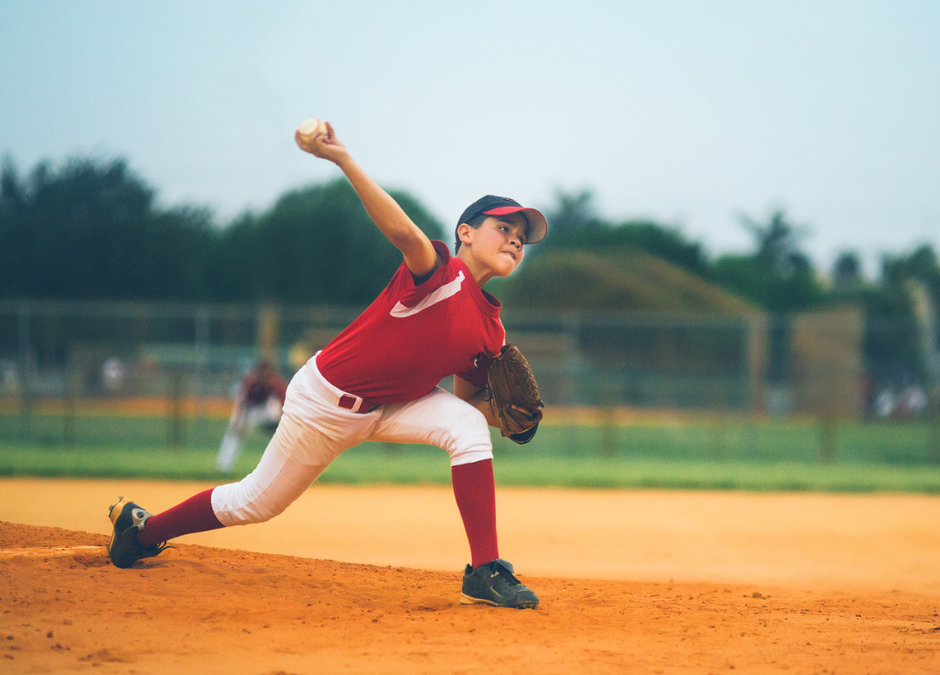
The pressure to succeed in sports continues to reach new levels every year. Sports used to be an outlet for kids. A place to stay active and out of trouble, a place to learn how to handle winning and losing and develop a good work ethic.
Coaches were typically parents who wanted to spend time with their kids and give back to the community or the adult that was just trying to add coaching as a side job to make vacation money. A recent New York Times article noted that parents spend over $40 billion dollars a year on youth sports just in the United States. The last generation fought to obtain a scholarship to help pay for school; now parents are chasing NIL (name, image, likeness) money, which can be in the millions.
Why is this happening?
Today, parents are getting pressured to sign their kids up for year-round sports as young as 7 or 8 years old. They get lured into the travel teams, private lessons, and tournaments. Athletes may have three to four practice sessions a week, one to two private lessons, and up to five games on a weekend.
Do the kids get better at their sport, most likely because of the time they spend at practice, games, and tournaments, but at what cost?
What are the effects?
Studies have shown that nearly half of all youth sports-related injuries are due to overuse.
Injuries such as Osgood-Schlatter’s, Sever’s disease, stress fractures, Little League elbow, along with numerous tendon and muscular injuries, arise when athletes perform the same or similar movements over and over. Stressing the body to its limits and causing pain and inflammation.
In addition, the activities occur while the athlete is growing. These growth spurts leave tendons stressed as the bones grow faster than the tendons elongate. Many times, as in Sever’s and Osgood-Schlatter, the tendon is pulling on a forming bone, which leads to a deformity in the bone structure.
What to look out for?
There are numerous physical, emotional, and psychological factors to look out for in youth sports that can have a negative effect on your child.
On the physical side, do you see a decrease in performance? Are they not throwing the ball as hard, running as fast, or not making plays they have in the past?
This can come from fatigue, lack of recovery, not enough sleep, poor nutrition, or injury. These are all factors that can easily be addressed, though maybe not as easy to implement, such as skipping a practice or cancelling a lesson in order to get more rest.
As far as overuse injuries go, a great rule of thumb is that if the injury affects mechanics, such as not being able to run, jump, throw, etc., like they could before the pain, or the pain does not fully subside within two weeks, it is best to seek professional medical help.
Urgent care or a general pediatrician may not be the best choice. Choose a physician, athletic trainer, or physical therapist who specializes in youth sports. Make sure to do your homework here, as improper care can lead to longer recovery times and an increased chance of recurrence.
Beyond physical issues, parents need to look out for the emotional and psychological issues that can occur in sports.
Mental Performance Coach Nadia Chapman warns about athletes no longer having fun in their sports. She looks at three things that can lead to mental stress in athletes. These include pressure, perfectionism, and comparison.
When results and expectations increase, the athlete may see their sport as a job and not a game. They focus on what’s going wrong or could be better instead of what they have accomplished. These can all lead to a lack of interest in a sport they used to thrive on.
Moving Forward
Parenting today’s youth athletes is not an easy task. There will always be pressure from coaches and parents to do more, but oftentimes less can be better.
Look for warning signs such as loss of interest, pain, mental stress, and fatigue, and seek help if you’re unsure what to do.
About Chris Phillips
Chris Phillips is the founder and owner of Compete Sports Performance & Rehab in Orange County, CA, with over 30 years’ experience in youth, professional, and Olympic sports. He is a recognized board-certified Athletic Trainer (NATA) and Strength and Conditioning Specialist (NSCA) who possesses a wealth of knowledge and experience in the world of performance training and sports rehabilitation. Chris is also an Integrative Corrective Exercise Specialist, Certified Power Plate Trainer, and certified Sports Safety Specialist.
Chris was the Athletic Trainer for the Czech Figure Skating Team at the 2022 Winter Olympics in Beijing, China. He has served as the Athletic Trainer for the Mighty Ducks of Anaheim and the Washington Capitals in the National Hockey League, the Los Angeles Sol of the Women’s Professional Soccer League, and has served as both the Head Athletic Trainer and Head Strength Coach for the Los Angeles Avengers of the Arena Football League.
Chris has supervised the sports medicine and performance training programs for the Orange County Blues of the Men’s USL Pro League and Anaheim Bolts of the Professional Indoor Soccer League. He has presented to both the Professional Hockey Athletic Trainers Society and California Athletic Trainers Association on the importance of single-leg strength.
He is the author of the recently published book, “Built to go the Distance: The Real Path to Athletic Performance and Longevity.”
Please visit competeperformance.com or follow him on Facebook, Instagram, LinkedIn, or Twitter.