
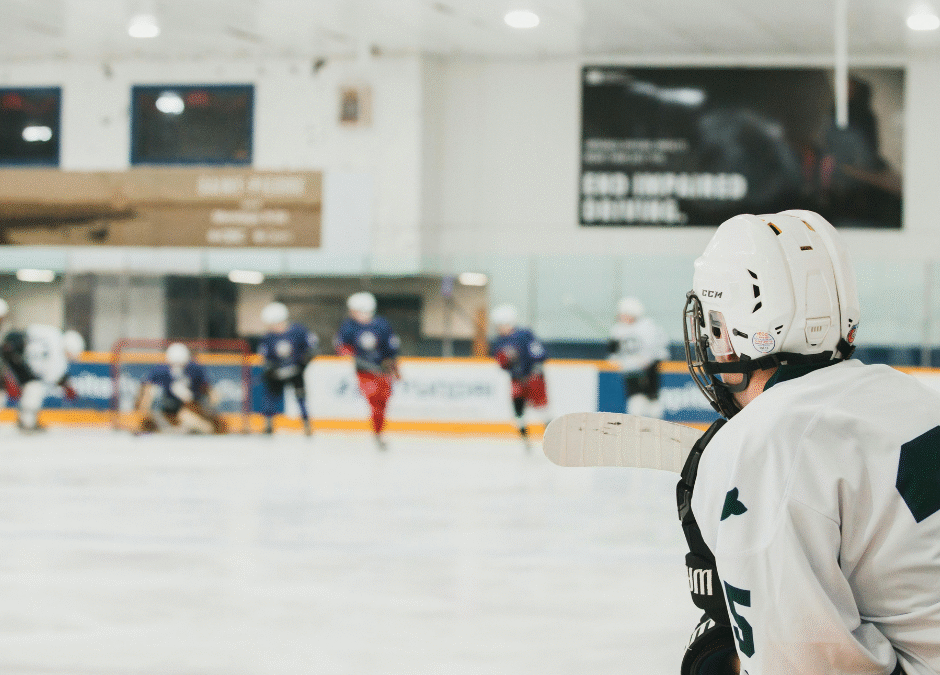
It is often said, “it’s not if, but when,” regarding injury in sport. These sports injuries can vary from a mild sprain to a concussion or even something that is season-ending. While the physical pain often gets the immediate attention, the mental and emotional impact of injury on athletes is just as real and needs to be addressed. Understanding this experience can help athletes, coaches, clinicians, and support teams create a healthier and more holistic sports injury rehabilitation environment.
Why Injuries Affect Athletes’ Mental Health
Athletes, regardless of the level of play, often tie much of their identity and sense of self-worth to their sport. When an injury happens and disrupts that connection, the athlete can feel lost, which can significantly interfere with their mental health and emotional well-being.
Emotions
Studies have shown that injured athletes experience higher levels of anxiety, depression, stress, anger, and lowered self-esteem when compared to their peers who are uninjured. Not only can these emotional effects hurt them mentally, but they can also slow their physical healing and reduce adherence to their treatment plan. The psychological effects of sports injuries are closely linked to recovery outcomes.
Identity
An athlete can often feel they have lost their purpose and identity after injury. This can happen especially if the injury is season-ending or career-threatening. A strong athletic identity can make coping with injury more emotionally challenging.
Fear
Even when the athlete is physically given the green light to return to sport, they may struggle with the fear of reinjury. This fear can lead to hesitation in training and competitions, which may impact performance and confidence. Fear of reinjury in athletes is a common psychological barrier during return-to-play.
Isolation
Being physically separated from teammates and normal routines can create feelings of loneliness and mood changes. Support from family, friends, teammates, and coaches has been shown to improve emotional well-being and help decrease feelings of anxiety and depression during injury recovery.
How Mental Health Influences Physical Recovery
The mind and body are deeply connected. If athletes have a poor or negative mindset going into their recovery, this can affect the entire rehabilitation process after injury.
Slow Healing
Athletes struggling with their mental health may be less engaged with therapy, which can affect how much is accomplished and potentially slow the healing process. Mental stress can directly and indirectly impact sports injury recovery time.
Adherence Matters
Factors like motivation, anxiety, and confidence levels can influence how consistently an athlete follows their rehab plan. Strong mental resilience often leads to better rehabilitation adherence and outcomes.
Support System
Athletes who have strong support from the people in their lives often have more resilience and tend to experience more successful recovery outcomes. A positive support system during injury recovery plays a key role in both mental and physical healing.
Strategies to Support Mental Health During Rehab
Each athlete is unique, and so are their experiences. Research has shown that there are several interventions that can help athletes manage the psychological impact of injury and improve their recovery outcomes.
-
Set clear and achievable recovery goals
-
Maintain social support from teammates, friends, and family
-
Encourage involvement in the rehabilitation process
-
Teach stress management and coping skills
-
Normalize mental health conversations in sports
-
Involve mental health professionals when needed
The takeaway here is that supporting athletes holistically — both body and mind — not only helps them rebuild physical strength but also emotional resilience. Sports injuries are not just about healing bone or tissue; they involve navigating emotions such as fear, anxiety, frustration, changes in identity, and mental toughness. Research shows that when we recognize the mental health side of sports injury recovery, we can significantly improve both psychological well-being and physical rehabilitation outcomes.